

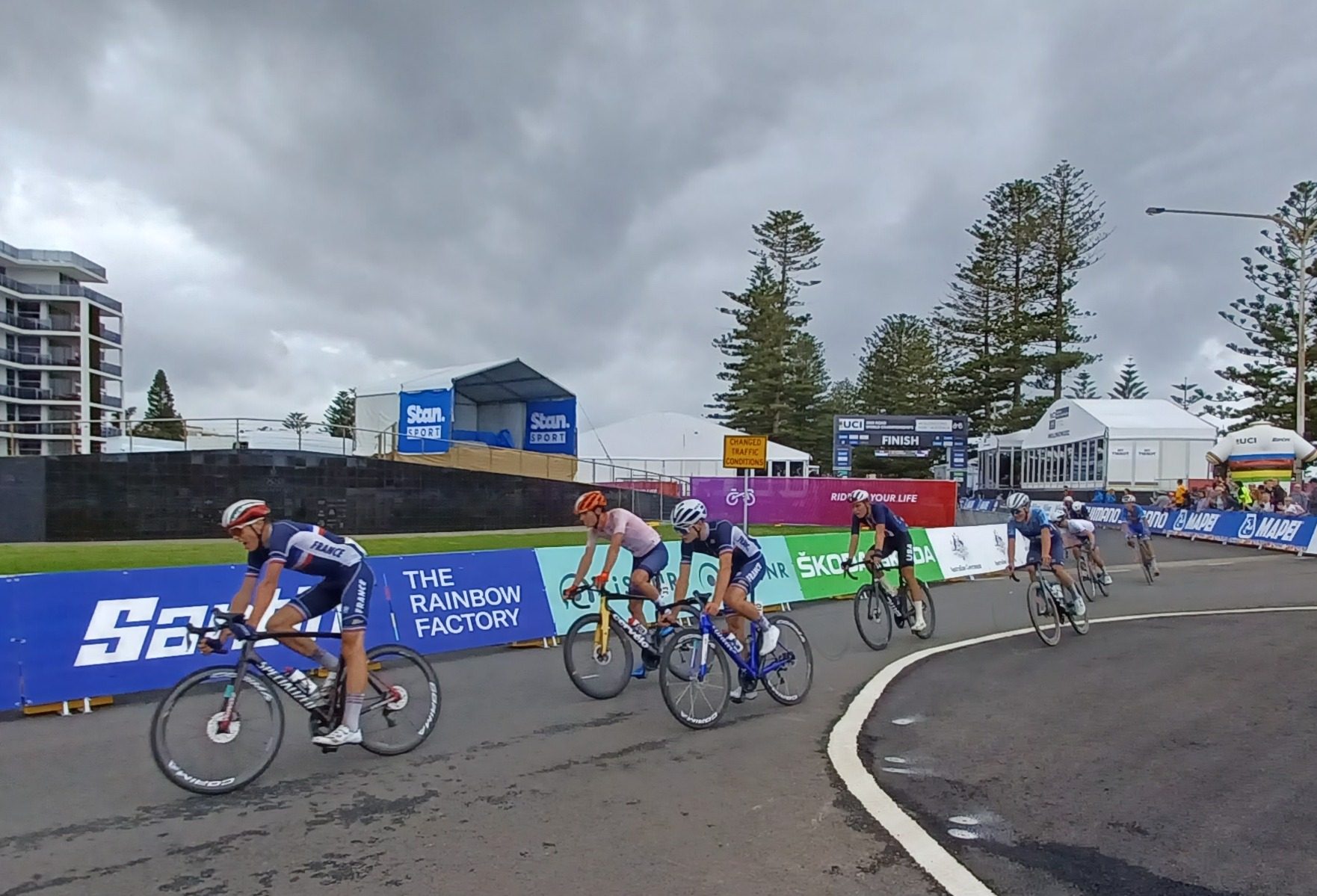
UCI Wollongong 2022
Inner-city circuit closures & crowd flow
Wollongong, NSW
NSW Traffic Management · Design & Implementation
Specialist traffic management — design and on-road delivery — for major events, councils and construction across Sydney and New South Wales.
Design & implementation
One team, end to end
One accountable team, from the first risk assessment through to on-site delivery — TfNSW-accredited in both traffic design and traffic control.
Capabilities
 02Traffic Guidance SchemesSite-specific, to-scale schemes (formerly TCPs) showing every sign, taper and controller — compliant and approval-ready.
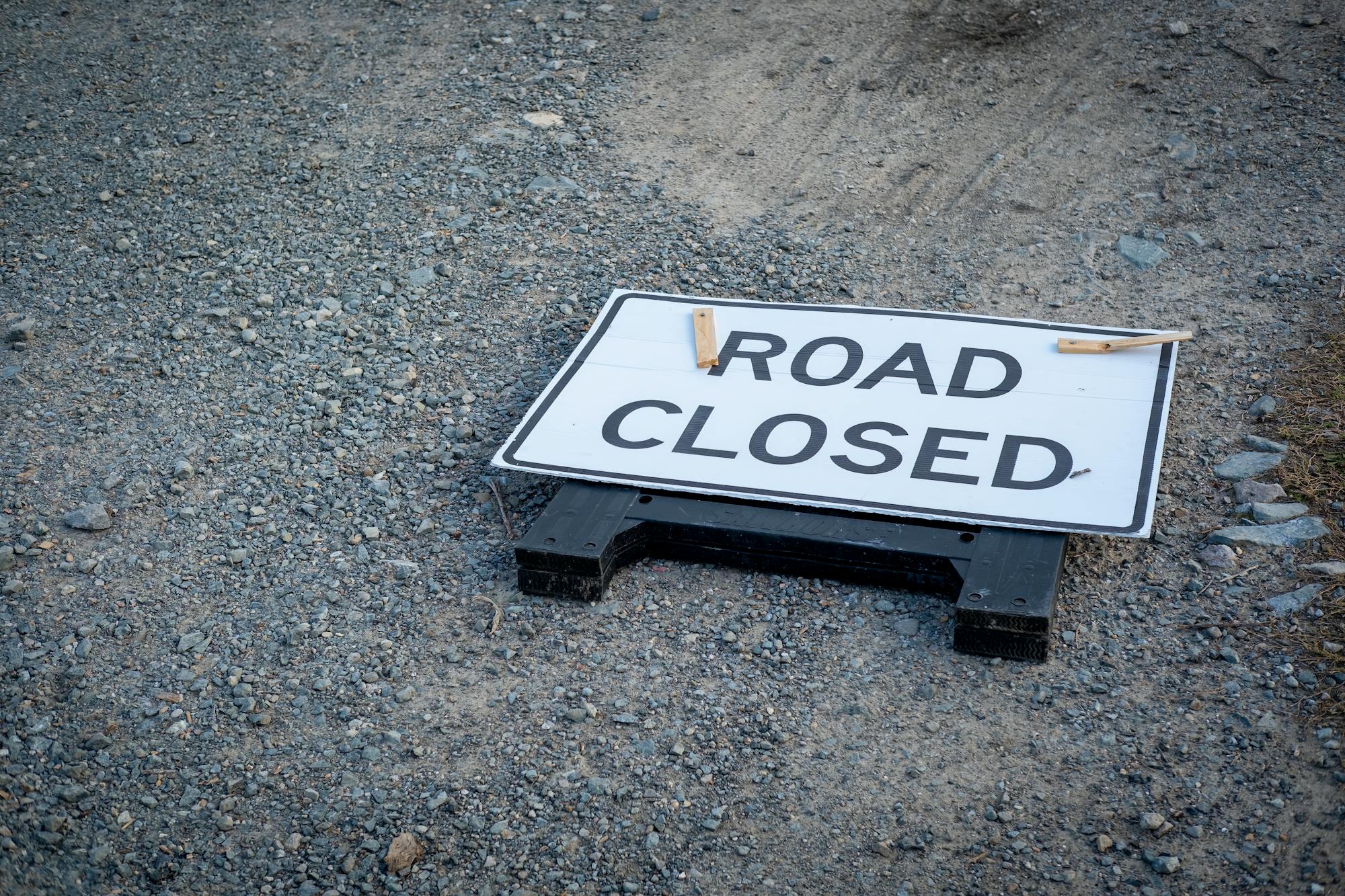 03Traffic Management PlansTMPs and Construction TMPs that satisfy your development consent and stand up to scrutiny — first time.
 04Council Permits & ApprovalsWe obtain the road occupancy licences and council approvals your project needs — managing every agency so your works or event are approved to proceed.
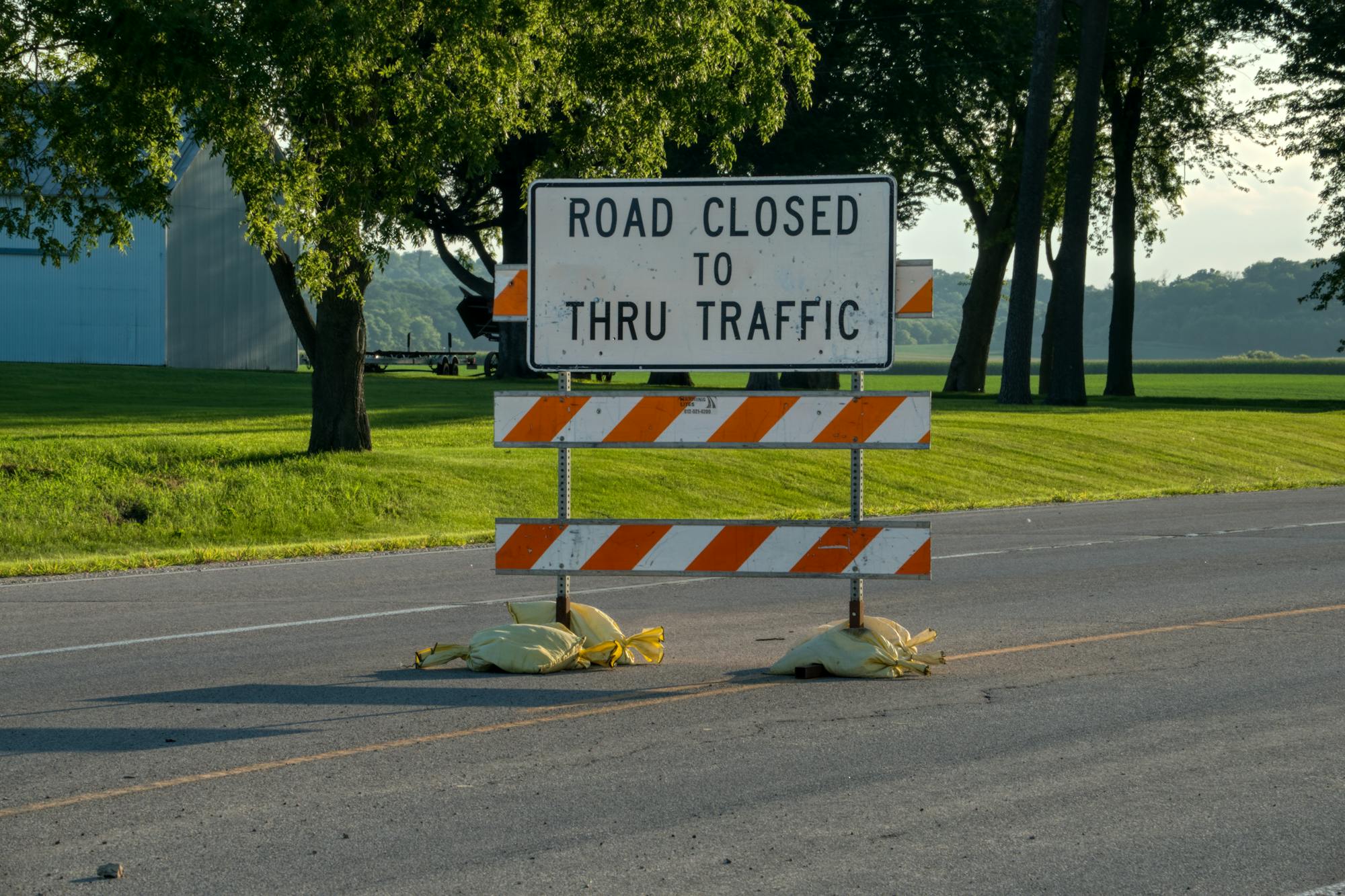 05Construction Traffic ManagementFrom the CTMP your consent demands to the crews on site — work-zone traffic, closures and pedestrian management for civil and building works.
 06Swept Path AnalysisAutoTURN and Vehicle Tracking checks to AS 2890 and Austroads design vehicles — from B-doubles to refuse trucks.
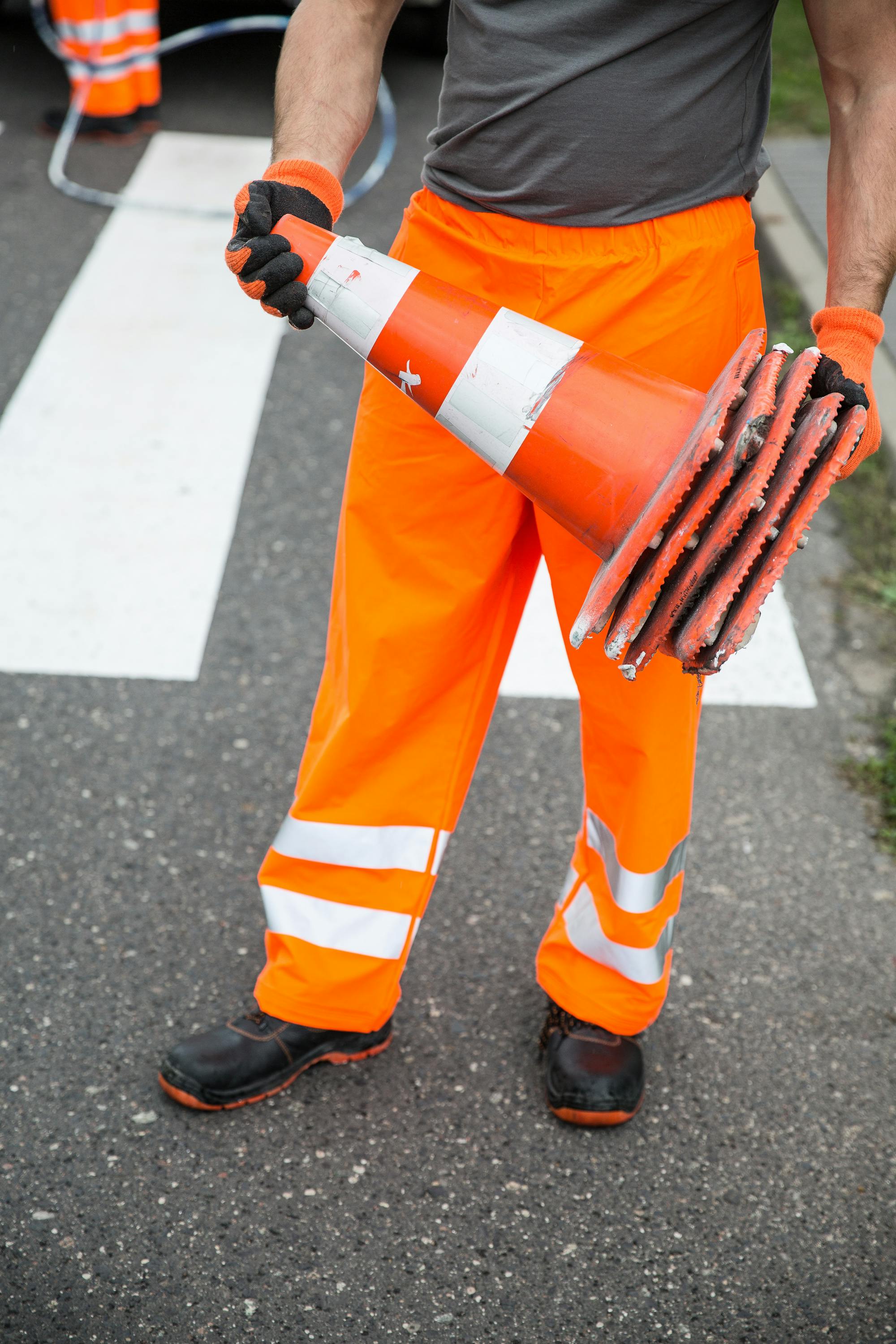
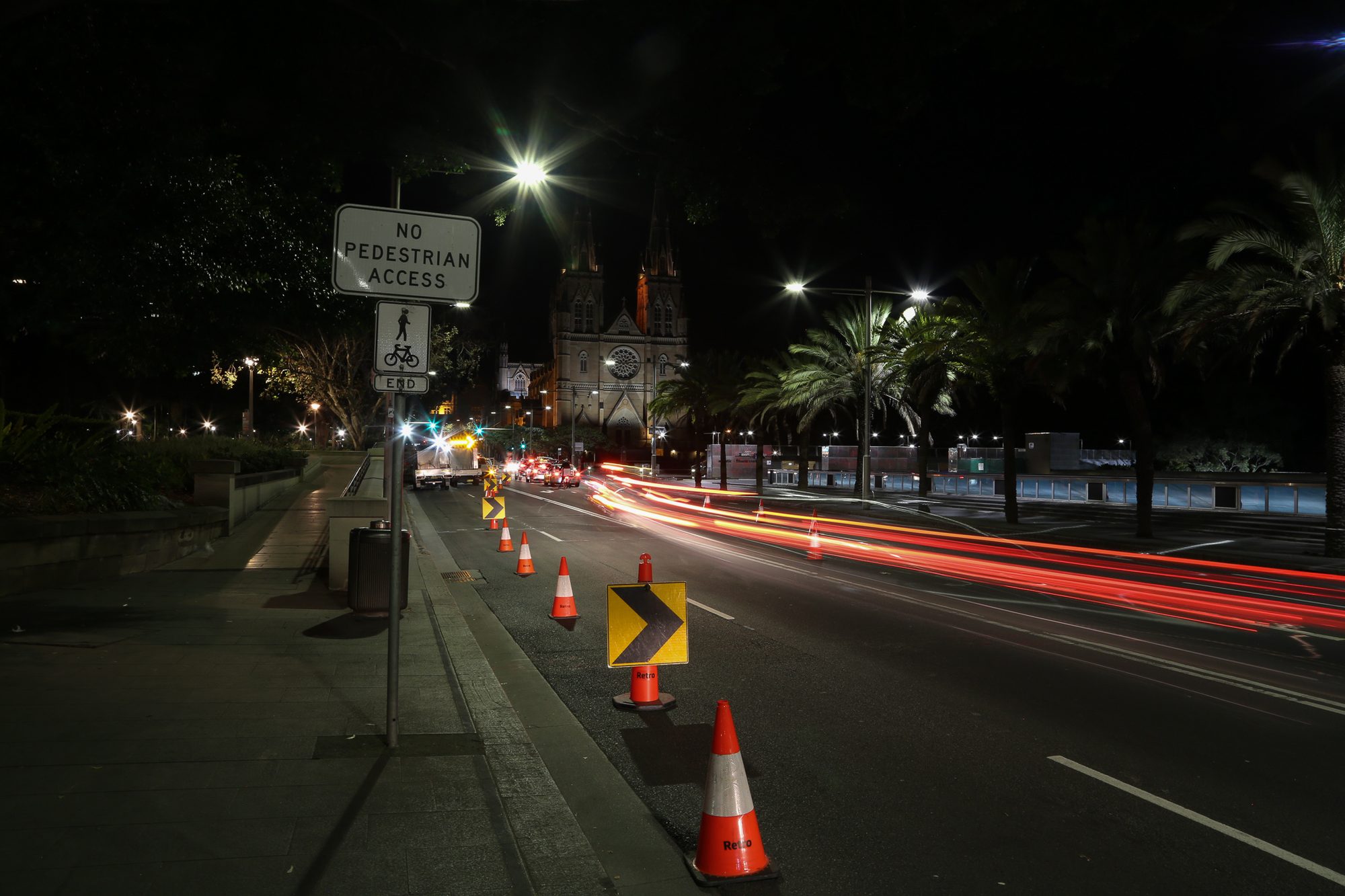
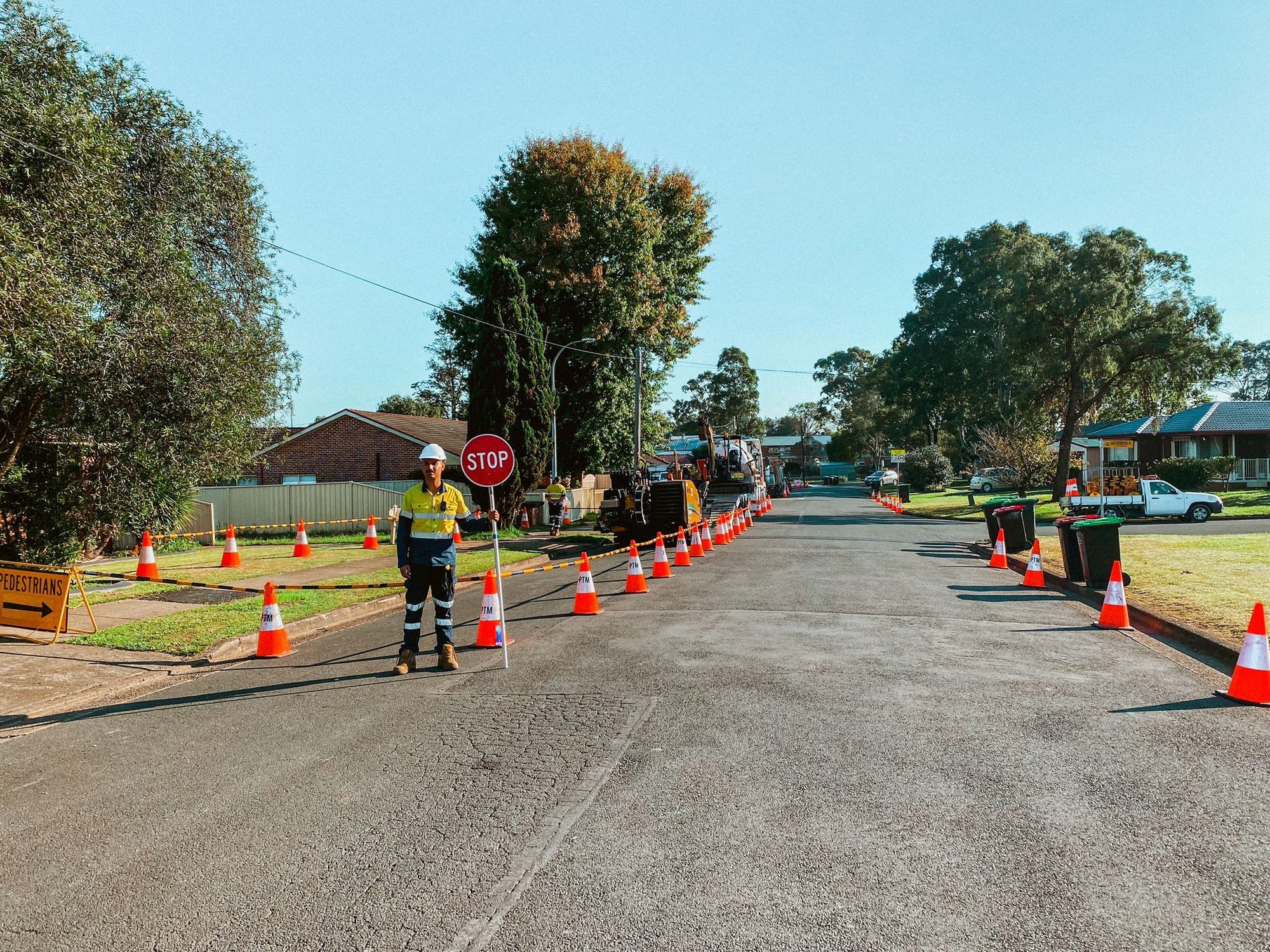
 07Accredited Traffic ControlTfNSW-accredited controllers and implementers with owned equipment — daytime, after dark and night works.
 08Pedestrian & Crowd ManagementSafe pedestrian movement and crowd flow for high-footfall worksites and events — accessible by design.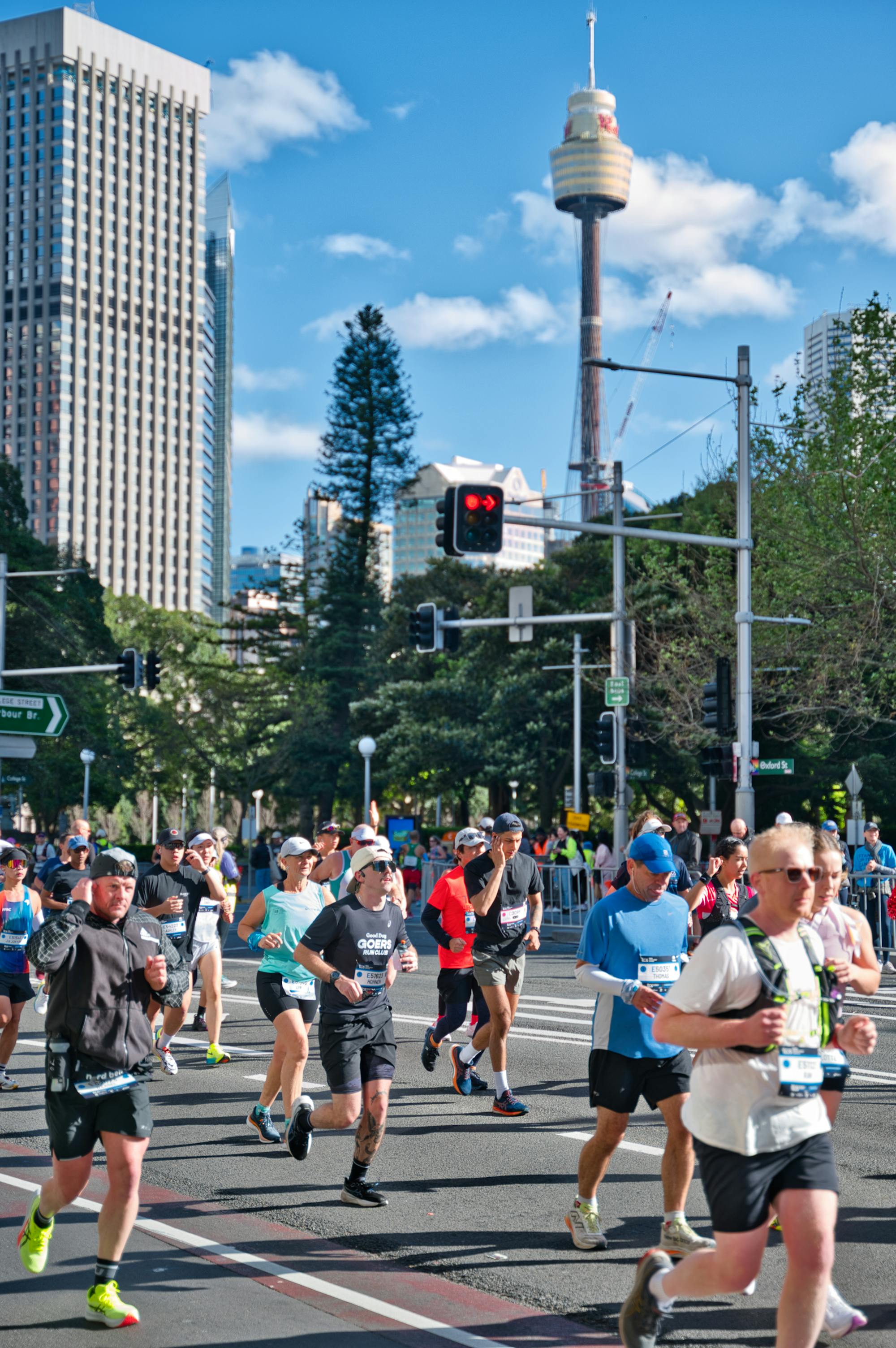
How we work
We review the site, the event and the road environment, and identify every risk and stakeholder.
Our PWZ-accredited designers produce the TMP and to-scale Traffic Guidance Schemes.
We secure Road Occupancy Licences and council approvals so the works are approved to proceed.
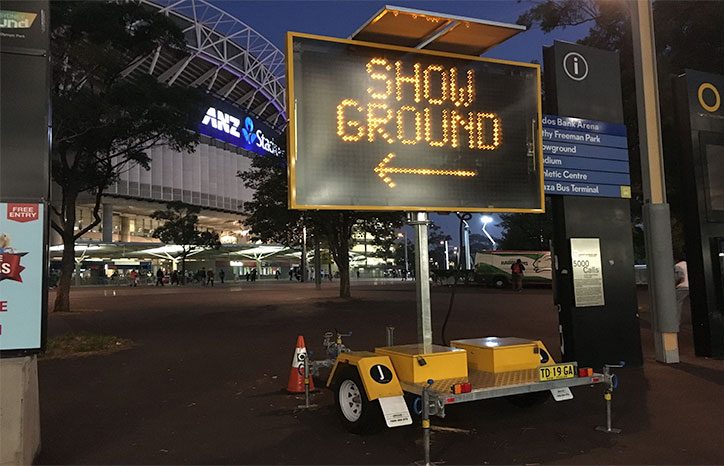
Accredited crews deploy signage, barriers, VMS and attenuators to the approved scheme.
We run the site — controllers, monitoring and rapid response — through to safe pack-down.
Selected work
Inner-city circuit closures & crowd flow
Wollongong, NSW
East End street closures & crowd flow
Newcastle East, NSW
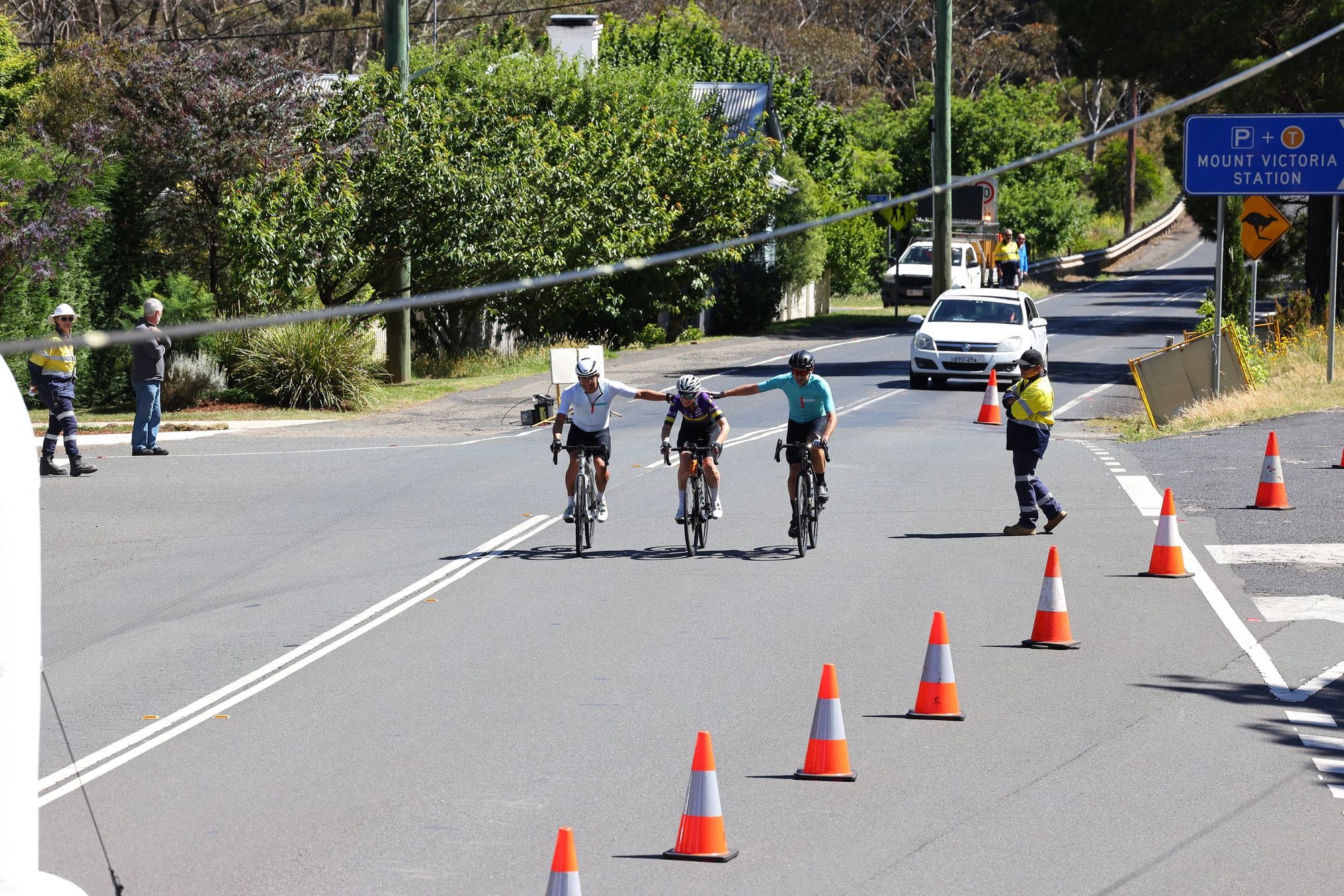
82km route closures & multi-agency liaison
Sydney to Wollongong, NSW
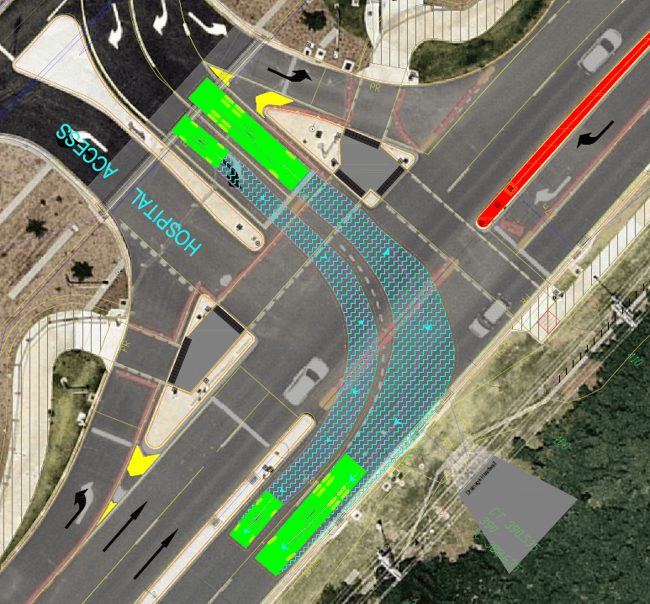
National Triangle road closures & route
Parliamentary Triangle, ACTIn the field


Coverage
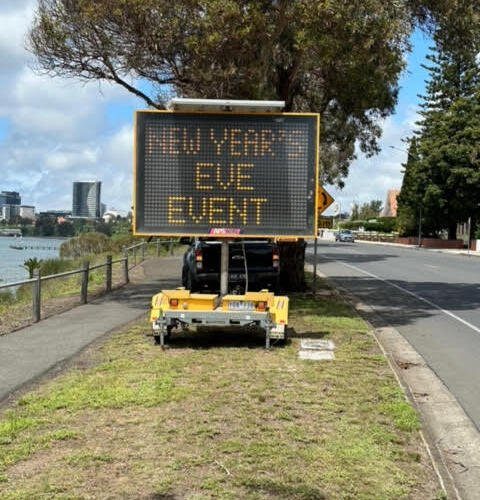
Sydney-based, we plan, permit and deliver traffic management across New South Wales — from New Year's Eve in Parramatta to the UCI Road World Championships in Wollongong.
FAQ
A TGS is a site-specific, to-scale diagram that shows exactly where every advance-warning sign, cone, barrier, taper and traffic controller goes around a work zone or event. In NSW it replaced the older term Traffic Control Plan (TCP), and a compliant TGS is drawn to the TfNSW TCAWS manual and AS 1742.3.
A TMP is the high-level document that explains why and how a project affects the road network and sets the controls; a TGS is the diagram showing where each device and controller is placed and usually sits inside the TMP; a CTMP is a TMP written for a construction site and is commonly a condition of a Development Approval. The TMP says why and how, the TGS shows exactly where, and a CTMP is the construction version of a TMP.
You generally need a TMP or CTMP whenever works or an event will affect how traffic, pedestrians or cyclists move on a public road — for example lane or road closures, footpath closures, or construction traffic entering a busy street. For construction a CTMP is frequently a condition of development consent; for events a TMP is required if you're closing or significantly affecting public roads. If unsure, a quick site review will confirm which document your job needs.
A Road Occupancy Licence is formal Transport for NSW approval to occupy or affect the state (classified) road network. You generally need one to work on a state road, within 100 m of traffic signals, or wherever works affect traffic flow, queues or safety on a state road. Council-controlled local roads are approved by the council instead, and the ROL application must match your TGS.
Transport for NSW advises Road Occupancy Licence applications are processed within about 10 business days of submission. Council approval of a TGS typically runs around 10-14 business days and can extend to about 28 days or more if state-managed roads or TfNSW are involved. Complex or non-compliant submissions take longer, so a correct site-specific plan the first time is the fastest path. These are current authority guidelines, not guarantees.
It depends on your event's classification. TfNSW classifies events from Class 1 (state/region-wide impact) to Class 4 (low, localised impact). As a guide, allow at least 4 months for a high-impact Class 1 event and at least 1 month for a low-impact Class 4 event; major bridge closures such as the Sydney Harbour or Anzac Bridge need around 6 months. Affected residents must also be given at least 7 days' notice of road closures.
Only a person holding the SafeWork NSW Prepare a Work Zone Traffic Management Plan (PWZTMP) accreditation can legally design or modify a TGS or TMP, and a compliant TGS carries the accredited designer's name and TfNSW certification details. On the road, Traffic Controller (TCR) card-holders direct traffic and Traffic Plan Implementer (IMP) card-holders set up and pack down the scheme — different cards for different jobs.
A Traffic Controller (TCR) directs traffic using a stop/slow bat or portable device but does not set up or pack down the site. A Traffic Plan Implementer (IMP) sets up, monitors and removes the signs and devices to a nominated TGS but does not control traffic with a bat or change the plan. Many sites need both, which is why crews are carded for the specific role they perform.
Generic templates are one of the most common reasons councils reject a submission, because they don't show the real site-specific detail — exact clearances, bus zones, driveways, fire hydrants, school-crossing locations and local constraints. NSW councils require a plan drawn for your specific site by an accredited designer to TCAWS and AS 1742.3, so replacing a template with a site-specific TGS is usually what gets an application approved.
Cost is driven by complexity, not a flat rate. The main factors are how many distinct TGS diagrams the job needs (each work stage usually needs its own), the road type and speed zone, the hours of work (night, after-hours or same-day/emergency turnaround cost more), the length of engagement and crew numbers, and any permits, police user-pays or Road Occupancy Licence fees. We scope and quote each job on these factors rather than publish a fixed price; published figures from other providers are indicative market ranges only, not our quote.
The road type decides who approves you. Works on a council-controlled local road are approved by that council, often through a Local Traffic Committee. Works on a classified (state) road, or within 100 m of traffic signals, require a Transport for NSW Road Occupancy Licence via the OPLINC system. Many jobs touch both, so the approval path has to be mapped before work starts.
Yes, and that single line of accountability is the main reason to use a design-and-delivery firm. The same team can produce the TMP and TGS, secure the council approvals and Road Occupancy Licence, then deploy accredited crews and equipment to run the site to the approved scheme. Fewer hand-offs between a separate paper consultancy and a separate labour-hire crew means tighter compliance and one point of contact if something needs to change on the day.
In NSW, temporary traffic management documents are prepared to the Transport for NSW Traffic Control at Work Sites (TCAWS) manual, which supplements Australian Standard AS 1742.3 (traffic control for works on roads). Swept-path and vehicle-access checks reference the AS 2890 series and Austroads design vehicles. We prepare TGS and TMP documents to these current standards through PWZTMP-accredited designers.